Our Committee
Dr. T. Thanga Mariappan
Bristol Myers Squibb India, Biocon BMS R&D Center, BangaloreDr. Vinay H K
Biocon BMS R&D Center, Syngene Intl Ltd., BangaloreDr. Jasminder Sahi
Sanofi, ChinaDr. Bhagwat Prasad
University of Washington, USADr. Vamsi Madgula
Syngene Intl. Ltd., BangaloreDr. Anoop Kumar
Biocon BMS R&D Center, Syngene Intl. Ltd., BangaloreDr. Amol Raje
Syngene Intl Ltd., BangaloreDr. Satheesh Kumar
NIPER, KolkataDr. Deepika Dhaware
Orion Pharma, FinlandDr. Sachin Tulsankar
Biocon BMS R&D Center, Syngene Intl. Ltd., BangaloreDr. Manasa Deepa
East West College of Pharmacy, BangaloreDr. Arti Thakkar
Amity University, NoidaDr. Rama Sivasubramanaian
Novartis, HyderabadDr. Vishwottam Kandikere
Syngene Intl. Ltd, BangaloreDr. Anandi Karumbati
CCBT, BangaloreDr. Surulivel Rajan
MCOPS, ManipalMr. Shashendra Singh Gautam
Biocon BMS R&D Center, Syngene Intl. Ltd., BangaloreMr. Eljo Jeevan Jose
Covance, IndiaDr. S. Bharath
M.S.Ramaiah University of Applied Sciences, BangaloreMr. Nilesh Gaud
Ryvu TherapeuticsEMINENT SPEAKERS


Vishwottam Kandikere, PhD
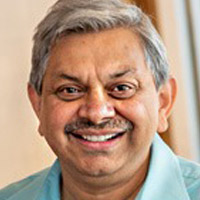
Deputy Research Director and Head of DMPK
Syngene International Limited, Bengaluru, India
Dr. Kandikere is a pharmaceutical candidate optimisation and clinical pharmacokinetist with > 23 years extensive international discovery research experience in hunting > 30 drug targets and has successfully led discovery and optimisation of 10 NCEs from bench to early clinical trials in the areas of oncology, GI, inflammatory disorders, CNS therapies as key contributor and has credit of 11 US patents as innovator. Has published >90 original research and reviews in leadings international journals, presented >83 scientific posters in 26 global conferences encompassing DMPK optimisation strategies, novel bioanalytical methodologies, PK-PD correlations, receptor occupancy, microdialysis techniques. He is currently heading DMPK function as Deputy Research Director in Syngene International at Bengaluru, India and responsible for driving integrated drug discovery and DMPK function from druggability perspective to global pharmaceutical and biotech partners.
Abstract of Talk : PROTACs are among the "large" small molecules and offer high-level selectivity for undruggable target proteins by harnessing a natural ubiquitinate system. One of the interesting things about PROTACs is that they don't follow the rule of 5 which predicts poor absorption or permeation. The major druggability issues associated with the PROTAC compounds are low solubility, low permeability, high LogD values, high binding to plasma proteins, unusual cleavage of linkers via CYP mediated metabolism, and direct cleavage by hydrolytic enzymes. Routine in-Vitro ADME studies does not help in funnelling the PROTACS to build QSAR. Critical revisit and optimizing in-Vitro ADME assays are a must for meaningful SAR, as well as the appropriate usage of orphan excipients to evaluate the pharmacokinetic properties and move the molecules forward.
To address the ADME and PK issues associated with PROTAC molecules, the Syngene DMPK group has developed modified Caco-2 conditions and bio-relevant thermodynamic solubility assessments to select compounds for oral PK studies. The webinar will cover how we developed modified UC-PPB methods that distinguish compounds that are tightly bound and highly tightly bound to plasma proteins or tissue proteins, and thus help establish unbound plasma and tissue concentrations from PK studies. We will also discuss the identification of metabolism or degradant pathways that are associated with linkers which help in understanding and predicting the metabolism of linkers employed in the PROTACS programs.
Will cover case studies that are more relevant to PROTAC molecules and discuss the strategy of right in-vitro ADME assays and PK studies in advancing molecules from early discovery to optimized leads.

Dr. Beth Joshi
Ph.D.
Elizabeth Joshi received her Ph.D. in Chemistry from the University of Virginia in 2004 studying chemical mechanisms of idiosyncratic drug reactions. During her career, she has held positions of increasing responsibility with Eli Lilly (Indianapolis, IN) and Merck & Co (Kenilworth, NJ). Beth recently joined Bristol-Myers Squibb as the Executive Director of Discovery Metabolism and Pharmacokinetics in Lawrenceville, NJ. Her research interests include leveraging in silico DMPK tools to augment early decision making across programs, as well as understanding the physicochemical properties which influence SAR designs and dose optimization.
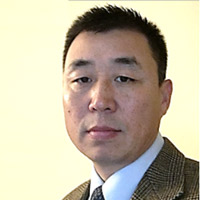
Feng Li, Ph.D - Development Associate at Corning Life Sciences Greater Boston
Dr. Feng Li is a Development Associate at Corning Life Sciences and an expert cell biologist with over 12-year experiences in biotechnology industry. His current role and responsibilities include market research, technology evaluation, product, process and assay development. In recent years, he has been focusing on Corning 3D cell culture technology, human liver spheroid and their applications in liver toxicity testing and disease modeling. He received his Ph.D. from University of Colorado and postdoctoral training at Princeton University. His previous industrial experiences include stem cell differentiation and scale-up process development to produce blood cells from pluripotent stem cells.

Brandon Gufford, PharmD, PhD - Brandon Gufford, PharmD, PhD, Principal Pharmacokineticist, Clinical Pharmacology Services, labcorp Drug Development
- More than 10 years of experience evaluating drug disposition and interactions as a clinician, academic investigator, and clinical pharmacokineticist.
- Currently serve as a Principal Pharmacokineticist within labcorp Clinical Pharmacology Services.
- Wide range of DDI experience including in vitro assessment, clinical study design and optimization, pharmacogenetic considerations, and advanced modeling and simulation approaches.
- Prior to joining Covance, served as an academic faculty member focusing my expertise in drug metabolism, pharmacokinetics, and quantitative pharmacology to the translational prediction and clinical evaluation of complex natural product-drug and drug-drug interactions.
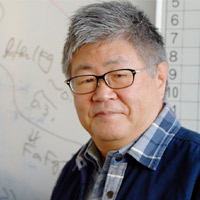
Yuichi Sugiyama, Ph.D.
Yuichi Sugiyama started working as the Special Professor Emeritus in Josai Interanational University as of April 1, 2021. Before that, Dr. Sugiyama has been the Head of Sugiyama Laboratory, RIKEN,Yokohama, Japan since April 2012. He has been Professor, Dept of Molecular Pharmacokinetics at the Univ of Tokyo since 1991 until 2012. Dr. Sugiyama is acknowledged as a world-leader in the fields of physiologically based pharmacokinetics and membrane transporters. His work on physiologically based pharmacokinetics has been pivotal for quantitative in vitro - in vivo extrapolation, especially the development of models for the prediction of drug clearance and the magnitude of drug-drug interactions in humans. Further, his studies on membrane transporters, which encompass functional and kinetic characterization, and the impact of genetic variation, have been fundamental to our understanding of the role of transporters in drug disposition. Dr. Sugiyama has been the recipient of many awards, including the AAPS Award in 2003, FIP Host-Madsen Medal in 2009, Medal with Purple Ribbon given by Government of Japan in 2010, BB Brodie Award from ASPET in 2012, Rawls-Palmer Progress in Medicine Award from ASCPT in 2014, the RT Williams Distinguished Scientific Achievement Award from ISSX in 2013 and The Order of the Sacred Treasure, Gold Rays with Neck Ribbon by Government of Japan 2020. In addition to his scientific work, Dr Sugiyama has held leadership positions in several scientific organizations. In particular, he has served as the Presidents of ISSX and JSSX and strongly promoted worldwide drug metabolism, disposition, transporter research.

VINAY H. K., M.Pharm., Ph.D.
Dr. Vinay is working as Lead Investigator in the Department of Pharmaceutical Candidate Optimization at Biocon-BMS Research Centre, Bangalore, since last 10 years. He received his M.Pharm in Pharmacology from LM College of Pharmacy, Ahmedabad; then Ph.D. in Pharmaceutical Medicine from Hamdard University, New Delhi, under the guidance of Prof. P.L. Sharma, Ex. Dean, PGIMER, Chandigarh. After completing Ph.D., he worked at Lambda Therapeutic Research (Ahmedabad) and Ranbaxy Research Laboratories (Gurgaon) in the department of Clinical Research responsible for ANDA studies for regulated markets. Then joined Advinus Therapeutics (Bangalore) where he contributed to preclinical PK studies, in vitro studies and also Phase-I studies (ADV-2401).
For the last 20 years, Vinay worked and managed research efforts in pharmacokinetics at various stages of Preclinical and Clinical Research including lead optimization during early discovery, human PK prediction, Bioequivalence, DDI, Biomarkers and Phase I studies in human volunteers. He is passionate about developing mechanistic rodent models for addressing ADME challenges, compound optimization, and designing mechanistic studies in human subjects. He has published multiple research articles in international journals. He has served as reviewer for Current Drug Metabolism journal.
Ravi S Talluri Ph.D, General Manager - DMPK and NCE Analytical Development
Ravi S Talluri is associated with Sun Pharma Advanced Research Company (SPARC), India. Ravi is the functional head of DMPK and API analytical groups. Ravi received his Ph.D in pharmaceutical sciences from University of Missouri Kansas City, USA in 2008 and has been associated with pharmaceutical Industry since then. He has expertise in DMPK and Clinical pharmacology assessments of new molecular entities for therapeutic indications like Psoriasis, COPD, Pain and Oncology. He has supported new drug discovery programs in translation of PK/PD, metabolism and DDI assessments from non-clinical to human to enable selection of relevant clinical doses and appropriate strategy for clinical pharmacology assessments.

Rama Sivasubramanian PhD, Clinical Development Director, Clinical Development & Analytics, Global Drug Development, Novartis
Rama Sivasubramanian is a currently Clinical Development Director in Clinical Development & Analytics at Novartis. She has been working in clinical development for the past 7 years with a focus on Cardiovascular therapeutic area. Most recently was responsible for the Diovan Pediatric sNDA submission to US FDA and EMA. She is currently working in rare diseases focusing on the pediatric development. Prior to joining Clinical Development, she lead Drug Metabolism and Pharmacokinetics (DMPK team at Novartis Institute for BioMedical Research (NIBR). Rama joined Novartis in Aug 2008 as a PK scientist in NIBR. She was involved in clinical pharmacokinetics programs spanning across various therapeutic areas, with special focus on Womens' health and Pediatrics. Her areas of interest include PK-PD modeling, clinical Drug-Drug Interaction studies and antimicrobial resistance mechanisms. Prior to joining Novartis, she worked as a Bioanalytical and PK Scientist at Nektar Therapeutics, Hyderabad.
Rama is a member of Population Approach Group India (PAGIN) and Indian Pharmaceutical Association (IPA). She has presented her research work at American Association of Pharmaceutical Scientists (AAPS) Meetings (2003 & 2005), at the Annual Conference of Southern Regional Indian Pharmacological Society (2009), the National Conference on Natural Products in Healthcare (2011), DMPK Symposium at NIPER Mohali(2014) and at Drugs for the Future: Infectious Diseases at NIPER Hyderabad (2014). She is currently an Executive Committee member of South Asian College of American College of Clinical Pharmacology(SAC-ACCP) and served as an organizing committee member for SSXi conference 2019. She presented on Pediatric development as a poster at the European Society for Developmental Perinatal and Paediatric Pharmacology in Basel May 2019 and at the Asian Pharmacometrics Network (APN) conference at Bangkok Nov 2019.
Rama received her B.Pharm and M.Pharm degrees from Department of Pharmaceutical Sciences, Nagpur University, India and holds a PhD in Pharmacokinetics and Drug Metabolism from the University of Pittsburgh, Pittsburgh, USA. Her research focused on understanding in vitro and in vivo mechanisms of herb drug interactions with Valerian.
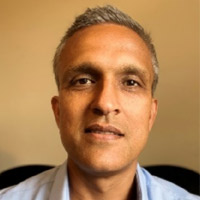
Niresh Prasad, Ph.D
Site Head of DMPK for Oncology R&D
AstraZeneca, based in Boston, MA-USA
Niresh Hariparsad currently functions as the Site Head of DMPK for Oncology R&D at AstraZeneca, based in Boston, MA. Niresh received his BS (Pharmacy) and MS (Clin Pharm) from the University of Kwazulu-Natal, South Africa. He then obtained his PhD in Biopharmaceutics/Pharmacokinetics from the University of Cincinnati, Ohio. Prior to joining AstraZeneca, Niresh held various leadership roles at Merck and Vertex Pharmaceuticals where he was involved in DMPK support of projects from target identification through to various stages of clinical studies. Niresh is currently the DMPK project lead for Camizestrant (an oral SERD) and has contributed to the discovery and development of compounds for the treatment of Hepatitis-C and Cystic Fibrosis. Niresh has functioned as the Chair of the IQ Induction WG and now functions as the co-chair of the PBPK Modeling for Induction Working Group. He has also been involved in various cross industry initiatives related to drug transporters and novel tools for ADME. Niresh is actively involved in speaking engagements at national and international scientific meetings and has published over 20 peer reviewed research articles. Niresh's research interests include the use of novel approaches to enhance the prediction of human PK and drug-drug interaction risk for compounds advancing to the clinic.

Research Fellow Pharmacokinetics Dynamics and Metabolism, Medicine Design, Pfizer Global Research and Development, Groton, Connecticut-USA
Manthena Varma, PhD is Research Fellow, at Pfizer Inc. Dr. Varma received his B. Pharm. degree from the Kakatiya University, India in 2000, and an M.S. degree (2001) and PhD in Pharmaceutics (2005), from the National Institute of Pharmaceutical Education and research (NIPER), Punjab, India. Later, Dr. Varma worked as a Post Doctoral Fellow at the Department of Pharmaceutics, University of Minnesota (Minneapolis). In 2008, he joined Worldwide R&D, Pfizer, Groton, CT. Dr. Varma holds an Adjunct faculty position in the Department of Pharmacy of the University of Rhode Island. Manthena is a founding member and Instructor for a three-day Annual workshop on "Transporters in Drug Discovery and Development: Driving Knowledge from Laboratory to Label" at University of Rhode Island. His research is focused in the fields of ADME/PK technologies and strategies in drug design and development, role of drug transporters and transporter-enzyme interplay (extended clearance) in ADME/PK, clinical pharmacokinetics and DDI predictions/evaluation via mechanistic (PBPK) modeling. Varma supported preclinical and clinical development of several Pfizer compounds in the oncology, diabetes, and more recently in NASH/NAFLD therapeutic areas. He published about 125 original articles/reviews/book chapters and presented over 75 presentations at the scientific conferences in these scientific areas.

Bhagwat Prasad, Ph.D., Washington State University (WSU), Spokane, WA
Dr. Bhagwat Prasad is an Associate Professor in the Department of Pharmaceutical Sciences, Washington State University (WSU), Spokane, WA. He leads several federally- and industry-funded research programs on characterization of interindividual variability in drug disposition (drug transport and metabolism). He serves as a director of the proteomics-based research in non-cytochrome P450 enzymes (PRINCE). Prior to moving WSU, Dr. Prasad was an assistant professor at the University of Washington (UW), Seattle and was affiliated with the UW research affiliate program on transporters (UWRAPT) as a co-director. Dr. Prasad has published >85 peer-reviewed articles and >100 conference abstracts and delivered over 75 invited talks at various conferences including ISSX. Dr. Prasad is the recipient of 2018 ISSX North American New Investigator Award. Dr. Prasad's work was selected for the Early Career Faculty Showcase at the 2018 ASPET meeting. Dr. Prasad has also served as a Secretary of the Drug Metabolism and Disposition Division of ASPET. He co-organized 2018 ISSX workshop on quantitative proteomics and was a member of organizing committee for the 12th international ISSX meeting, 2019 held in Portland, OR. Dr. Prasad is a member of editorial board of Drug Metabolism and Disposition, Clinical Pharmacology and Therapeutics, and Trends in Analytical Chemistry. Dr. Prasad obtained his MS in 2006 and Ph.D. in 2010 in Pharmaceutical Sciences from NIPER, Mohali, India and he was a postdoc with Prof. Jash Unadkat at the UW, Seattle from 2011-2014.

Jaydeep Sinha, M.Pharm, PhD
Assistant Professor, Pharmacokinetics
Department of Pediatrics, School of Medicine, University of North Carolina at Chapel Hill, NC, USA
Email: jaydeep.sinha@med.unc.edu
Mobile/Whatsapp: (919)-937-0221
ORCID iD: https://orcid.org/0000-0002-2110-3370
Publons ReseracherID: AAD-2144-2019
Summary
Jaydeep is a pharmacometrician and a pharmacist by training. He is currently working as an Assistant Professor of Pharmacokinetics at the Department of Pediatrics within the School of Medicine of University of North Carolina at Chapel Hill, USA. His current research is focused on delivering safe and effective medication to children using population pharmacokinetics and physiology-based pharmacokinetic modeling.
Jaydeep received his PhD in pharmacometrics from University of Otago at Dunedin, New Zealand in 2019. Outside his PhD, he has nearly eight years of working experience in model-informed drug discovery and development, both in industry and in academia. The maority of his industrial experience was at Biocon-Bristol Myers Squibb Research Center (BBRC) at Bangalore, India prior to his PhD. He also has postdoctoral research experience at Eshelman School of Pharmacy of Uiversity of North Carolina at Chapel Hill after his PhD.
Jaydeep has published his works in leading clinical pharmacology journals like Clinical Pharmacokinetics, and Journal of Clinical Pharmacology. He serves as a peer-reviewer for the leading clinical pharmacology & pharmacometrics journals, and has also reviewed abstracts in American Conference on Pharmacometrics (ACoP11). Jaydeep is currently a member of the Editorial Board of Clinical Drug Investigation.
Title of Talk
'Application of Physiology-Based Pharmacokinetic Modeling in Understanding Drug-Drug Interaction'

Nagendra Chemuturi
Scientific Director Research at Takeda,
Cambridge, Massachusetts, United States
Nagendra Chemuturi received his bachelor's degree in pharmacy, with distinction, from Kakatiya University in India. He then worked as a pharmaceutical sales representative with Zydus Cadila, before pursuing his Ph.D. at the University of Iowa. He was awarded the AAPS graduate symposium award in 2005 for his dissertation work on the role of nasal drug transporters and metabolism in preferential nose-to-brain uptake of dopamine into brain. He started his career in the US at Vertex Pharmaceuticals in MA in 2005. Since then, he has worked at Alcon-Novartis and Seattle Genetics, and is currently with Takeda Pharmaceuticals. His experience lies in the fields of oncology and ophthalmology having served as DMPK lead on several small and large molecule projects. He is currently working on viral gene therapies including clinical aspects of viral gene therapies. He has given podium presentations at several scientific conferences, is active in IQ consortium, co-leading the MABEL working group, and has co-authored several articles and book chapters.

Rajbharan Yadav, PhD
Senior Scientist, Genentech, South San Francisco, California, United States
Dr. Raj Yadav is a Senior Scientist in Development Sciences of Research & Early Development organization at Genentech, South San Francisco, California, USA. His current work at Genentech focuses on leading the pharmacokinetics and pharmacodynamics (PK/PD) efforts to guide the design, delivery, and development of biologics molecules (bispecifics, fusion proteins, and other novel antibody-based therapeutic modalities) in early-stage to late stage development. Raj holds a Ph.D. in translational PK/PD, modeling and simulations from Monash Institute of Pharmaceutical Sciences, Monash University, Melbourne, Australia. In addition, he obtained his M Pharm from NIPER, Mohali and B Pharm from UP technical University, Lucknow, India.
In his previous role, he worked in nonclinical DMPK research to translational PK/PD M&S at BMS R & D Center, Bangalore. Raj is an author of more than 20 publications in prestigious journals covering antibodies, antibiotics, translational PKPD modeling and simulations, and optimization of clinical dosage regimens for critically-ill patients. He also serves as a reviewer of several reputed journals in the field and currently a member of scientific advisory board to the Journal of Pharmaceutical Sciences.
Title of presentation: "Case studies on PK/PD of T-cell dependent bispecific antibodies and cytokine-based fusion proteins in cancer immunotherapy"
Dr. Venkatesha Udupa MVSc (Path), MSc (Tox, UK), DABT, ERT (UK), DIBTP, DSP, PhD Vice President and Head-Toxicology Glenmark Pharmaceuticals Ltd, Mumbai
Dr. Venkatesha Udupa is currently working as Vice President and Head - Toxicology at Glenmark Pharmaceuticals Ltd, Mumbai. In this role, Dr. Udupa supports drug discovery and development for several unprecedented targets by providing scientific input in the design and execution of early discovery and nonclinical toxicology experiments that focus on characterizing the safety of the candidates and/or understanding potential mode of action for toxicity in pre-clinical studies.
Dr. Udupa has immense interest in drug development and safety evaluation of new chemical entities and new biological entities especially in identifying mechanism of toxicity and overall risk assessment. He also supports safety assessment of branded generic drugs, impurities, specialty products, new formulation of re-purposed drugs etc. Prior to joining Glenmark Pharmaceuticals, he worked at Ranbaxy Laboratories Ltd, Himalaya Drug Company and Maccine Pte in the area of toxicology and pathology.
Dr. Udupa completed his Veterinary Science graduation and Pathology post-graduation training at Veterinary College, Hebbal, Bangalore. He worked on 'Prediction of Drug Induced Nephrotoxicity Using Traditional Markers and Urinary Biomarkers in Sprague Dawley Rats', to get PhD in Biochemistry from Sam Higginbottom University of Agriculture, Technology and Sciences, Allahabad. He is a recipient of Overseas Development Administration Shared Scholarship Scheme (ODASSS) by the Association of Commonwealth Universities in the United Kingdom for Master's program in Toxicology at University of Surrey, UK. He is a Diplomate of American Board of Toxicology (DABT), Diplomate of Safety Pharmacology (DSP), European Registered Toxicologist (ERT, UK) and Diplomate of Indian Board of Toxicological Pathologists (IBTP) and actively involved in various professional activities of STPI, IBTP, IFSTP, STP, ESTP and SOT. He has 20 international publications in peer reviewed journals and 18 national publications, co-inventor in couple of patents and a coauthor for a book chapter on topics in 'Discovery and Regulatory Toxicology in Pharmaceutical Industry' and 'Regulatory Toxicology in Pharmaceuticals' published in 2021 by Springer Nature.

Dr. Vikram Gota, MD, PGDCT
Professor, Clinical Pharmacology
ACTREC, Tata Memorial Centre
Sector 22, Kharghar, Navi Mumbai
India 410210
Tel : 022 27405130 (Off.)
Fax: 022 27405061 (Off)
Email: vikramgota@gmail.com
Vikram Gota, MD is professor, clinical pharmacology at ACTREC, Tata Memorial Centre. Dr. Vikram received his MD in pharmacology from Christian Medical College, Vellore. Dr. Vikram started his career at Lotus Labs, Bangalore as a clinical investigator for Bioequivalence studies. During his tenure at in lotus labs, Dr. Vikram developed keen interest in clinical pharmacokinetic studies and phase I clinical trials. To pursue interest in the clinical pharmacokinetics, Dr. Vikram joined Tata Memorial Hospital in 2006 as a clinical research coordinator of the INDO-Oxford (INDOX) Cancer Trials and designed and conducted phase I clinical trials. During this time he obtained the post graduate diploma in clinical trials from the London School of Hygeine and Tropical Medicine, University of London. In 2008, Dr. Vikram I started department of clinical pharmacology at ACTREC, Tata Memorial Centre .
Dr. Vikram research interests include early clinical development and pharmacokinetics driven optimization of drugs. Dr. Vikram's current interest is focused on optimizing the dose of imatinib for CML, 13-cis-retinoin for neuroblastoma, 6-mercaptopurine for adult ALL through PK/PD modeling. The other research are developing strategies for therapeutic drug monitoring of antifungals and imunosupressants used in bone marrow transplantation. Dr. Vikram is principal investigator in several phase I clinical trials of investigational new drugs (INDs). In addition, he is also involved in investigator initiated early clinical development of herbal drugs for various indications in cancer. Dr. Vikram lab also undertakes preclinical safety, efficacy and pharmacokinetic evaluation of drugs and novel formulations.
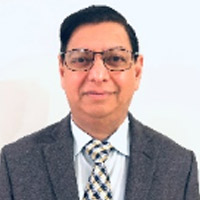
Prasoon Chaturvedi, Ph.D
Senior Director, Head of DMPK at C4 Therapeutics
Watertown, Massachusetts, United States
Prasoon Chaturvedi, Ph.D., has been working in the DMPK space in the Boston/Cambridge, MA, for more than twenty years. Besides working at some well-known Boston area biotech companies, Prasoon has established DMPK function from the ground-up at several Boston area start-ups and has led DMPK efforts for multiple successful IND, CTA, and NDA filings. Over the last two decades, Prasoon has worked with numerous cutting-edge technologies to drive drug development endeavors in multiple therapeutic areas including infectious disease, oncology, hematology, cardiovascular, inflammation and rare diseases. During the course of his career, Prasoon has had an opportunity to work with a wide variety of drugs including chemically modified tetracyclines, covalent kinase inhibitors and siRNAs, and has made key DMPK contributions for several marketed drugs including NUZYRA© (Omadacycline) and ONPATTRO© (Patisiran). Presently, he leads the DMPK function at C4 Therapeutics, where he is supporting development of a novel class of protein destroying drugs, known as protein degraders (BiDACsTM and MonoDACsTM). Prasoon holds a Ph.D. from IIT, Roorkee (India), and did his post-doctoral training at E.K. Shriver Center of Harvard Medical School, MA.
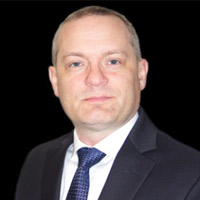
Dr. Daniel Albaugh
Associate Director, Global Metabolism and Environmental Sciences, USA
- More than 20 years of drug development experience in the pharmaceutical industry
- Currently serves as Global Analytical Lead for Metabolism and Environmental Sciences
- Prior to his current position, served as Senior Manager, In Vitro Metabolism and Metabolite Identification, for Covance, where he managed a multi-disciplinary scientific team responsible for the conduct of In Vitro and In Vivo Metabolism and Metabolite Identification studies
- Previously served as Manager, Metabolism Laboratory Operations, for Covance, where he managed a multi-disciplinary team responsible for the conduct of In Vitro Metabolism studies
- Before joining Covance, held number of positions with Boehringer Ingelheim Pharmaceuticals in Ridgefield, Connecticut, where most recently he was assigned as a DMPK Project Discipline Leader.
Partners
Platinum Partner

Gold Partners
Silver Partners



Partner
SESSION Partner
CONFERENCE HIGHLIGHTS